Heart Disease Prevention

WHY Heart Disease Prevention?

Because waiting for symptoms is no longer an option

Heart disease does not begin with a heart attack.
It begins silently—often decades earlier—through metabolic dysfunction, inflammation, and vascular injury that routine check-ups frequently miss.

Aggressive heart disease prevention is not about extreme measures.
It is about early detection, decisive intervention, and sustained risk reduction—before irreversible damage occurs.
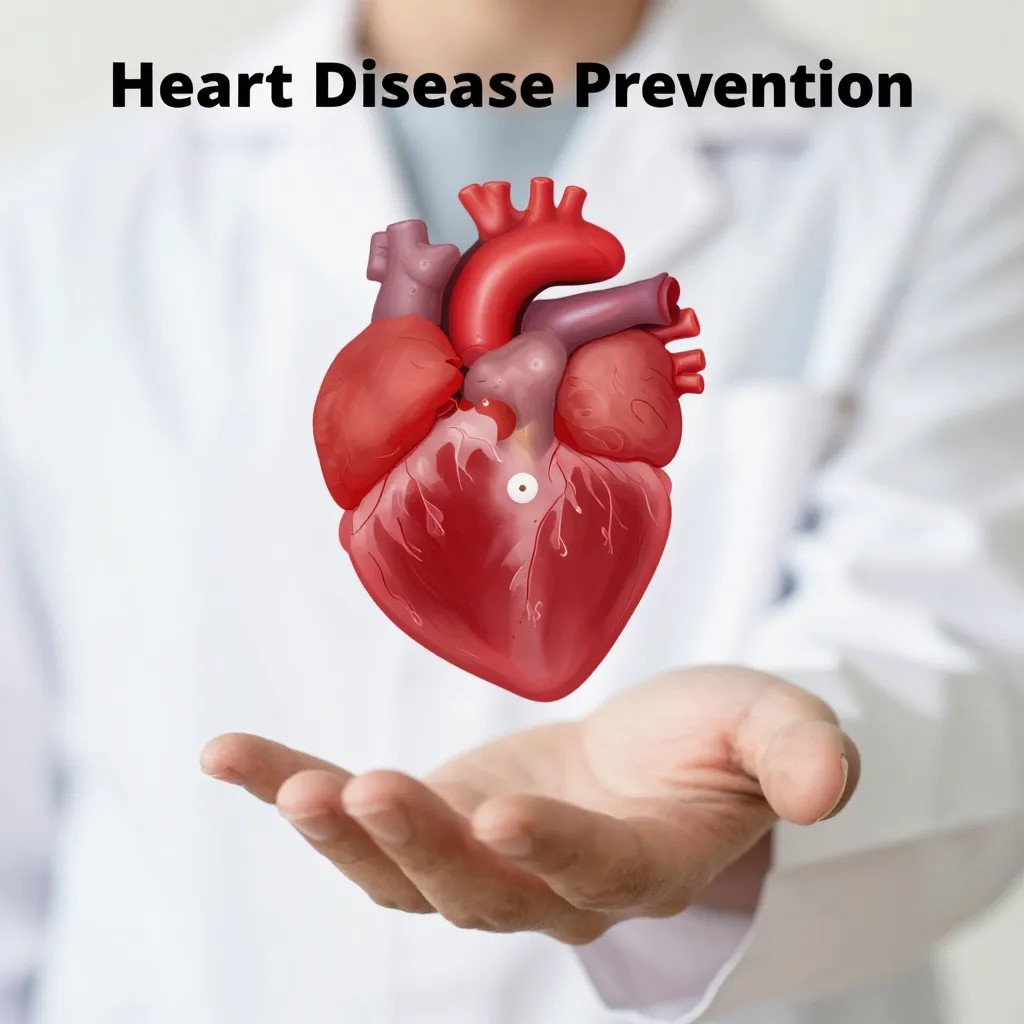
Heart Disease Prevention

Why Heart Disease Needs an Aggressive Preventive Strategy in Indians

India faces a unique cardiovascular risk profile:

  • Heart attacks occur 5–10 years earlier than in Western populations
  • Many patients have normal or borderline cholesterol
  • First events are often sudden and severe
  • Disease frequently appears during peak professional years

This is not bad luck.
It is the result of late recognition of risk.

Traditional prevention waits for:

  • High cholesterol
  • Diabetes
  • Symptoms

By then, atherosclerosis is often well established.

Aggressive prevention shifts the timeline forward.

What We Really Means in Prevention

Prevention is not about unnecessary testing or overmedication. It means:

  • Identifying risk before disease manifests
  • Treating drivers, not just lab numbers
  • Acting decisively when risk is high
  • Preventing the first event, not managing the second
It is precision-driven, evidence-based, and personalised.

Key Drivers Targeted in Aggressive Prevention

  • Insulin Resistance
  • Often precedes diabetes by years and directly accelerates atherosclerosis.

  • Visceral (Abdominal) Fat
  • Metabolically active fat that fuels inflammation and vascular damage—even at normal BMI.

  • Chronic Inflammation
  • Atherosclerosis is now recognised as an inflammatory disease of the arterial wall.

  • Endothelial Dysfunction
  • Early injury to blood vessels that predicts future plaque instability.

  • Stress and Sleep Deprivation
  • Potent but underestimated cardiovascular risk amplifiers.

Aggressive prevention addresses all five, not just cholesterol.

Who Should Consider Heart Disease Prevention

  • Have a family history of early heart disease
  • Are overweight or have abdominal obesity
  • Have diabetes, prediabetes, or insulin resistance
  • Experience high stress, poor sleep, or burnout
  • Have “normal” cholesterol but high triglycerides or low HDL
  • Are a high-performing professional with limited recovery time

Many individuals who suffer early heart attacks would have qualified—years earlier.

How Aggressive Heart Disease Prevention Is Implemented

1. Advanced Risk Assessment
Beyond routine check-ups:
  • Detailed lipid profiling
  • Inflammatory markers
  • Insulin resistance assessment
  • Liver and metabolic health evaluation
  • Family and lifestyle risk integration

The goal: biological risk, not cosmetic normality.

2. Decisive Lifestyle Strategy
Lifestyle intervention is structured, not generic:
  • Nutrition focused on metabolic stability and inflammation reduction
  • Weight and waist reduction—not just BMI
  • Sleep optimisation as a medical priority
  • Stress recovery integrated into daily routines
  • Sustainable movement, not sporadic intensity

Lifestyle is treated as therapy, not advice.

3. Early and Appropriate Medical Therapy
When risk is high, medications are not delayed unnecessarily.
  • Statins for plaque stabilisation and inflammation reduction
  • Blood pressure control even at “high-normal” levels
  • Metabolic agents where insulin resistance dominates risk

Medications are used strategically, not indefinitely or blindly.

4. Continuous Monitoring and Course Correction
Aggressive prevention is dynamic:
  • Track response, not just compliance
  • Adjust interventions based on biology
  • Prevent regression during stressful phases of life

What Aggressive Prevention Prevents—Beyond Heart Attacks

    Effective early prevention also reduces risk of:
  • Stroke
  • Heart failure
  • Diabetes progression
  • Kidney disease
  • Fatty liver disease
  • Cognitive decline

It preserves long-term functional capacity, not just longevity.

A Shift in Mindset

    Heart disease prevention is no longer about:
  • “Am I sick yet?”
  • It is about:
  • “What trajectory am I on?”

It preserves long-term functional capacity, not just longevity.

The Goal

  • Not fear.
  • Not overtesting.
  • Not lifelong pills without purpose.

The goal is clarity, early action, and durable cardiovascular resilience—especially in a population where waiting costs lives.


Risk of Heart Disease Risk of Diabetes Risk of Obesity Heart Disease Prevention Diabetes Prevention Obesity Prevention

Call WhatsApp